There's something I believe deeply: our elders deserve to age at home, surrounded by family, in the communities that shaped them.
My name is Eddy. I'm a tribal member and the founder of Home Help Navigators. I built this company because my own parents were on Michigan Medicaid and never knew about a program that could have paid a family member to care for them at home. When I learned what existed — and what they had missed — I decided to do something about it.
I built this business for everyone — and especially for communities that are often overlooked when it comes to benefit outreach. That includes Native American families across Michigan.
What Is the Michigan Home Help Program?
The Michigan Home Help Program is a Michigan Medicaid benefit that pays a qualifying family member — or close friend — to provide in-home care for a loved one who needs help with daily activities like bathing, dressing, getting around safely, and eating.
It's run by the Michigan Department of Health and Human Services (MDHHS), and it's available to anyone who qualifies for Michigan Medicaid and meets the program's care criteria.
That includes Michigan tribal members and Native American families.
Michigan's Native Communities and This Program
Michigan is home to 12 federally recognized tribes and a significant urban Native American population spread across Detroit, Grand Rapids, Lansing, and other cities.
Tribal members who have — or can qualify for — Michigan Medicaid are eligible for the Home Help Program. Tribal citizenship and tribal benefits do not disqualify someone from Michigan Medicaid or from this program.
If your parent, grandparent, or another family member needs help at home, and they have Michigan Medicaid, this program could pay you to provide that care.
What About Indian Health Service (IHS)?
Many tribal members receive healthcare through the Indian Health Service (IHS) or a Tribal Health Program (THP). This is a separate federal system — and having IHS coverage does not automatically mean a person has Michigan Medicaid.
IHS coverage and Michigan Medicaid are different things.
Here's the relationship:
- IHS is a federal health system available to enrolled tribal members
- Michigan Medicaid is a state-administered Medicaid program that eligible individuals must apply for separately
- In many cases, a tribal member can have both IHS coverage and Michigan Medicaid
The important thing to know: If your family member only has IHS coverage and not Michigan Medicaid, they would need to apply for Michigan Medicaid to access the Home Help Program.
How Tribal Members Can Get Michigan Medicaid
Applying for Michigan Medicaid is done through MI Bridges — the state's benefits portal. You can also apply at your local MDHHS office.
Some additional considerations for tribal members:
- Some forms of tribal income (like per capita distributions from gaming revenue) may be treated differently for Medicaid purposes — worth confirming with an eligibility specialist
- Your local tribal health department or social services office may also be able to help with the Medicaid application process and knows your specific tribal context
We're happy to help navigate this if you're not sure where to start.
Why This Program Matters for Our Communities
In many Native American families and communities, caring for elders is not a burden — it's an honor. It's a responsibility passed down across generations.
The Home Help Program aligns with that value. It doesn't send a stranger into your home. It says: the person who is already there, caring out of love and respect, should be recognized and compensated for that work.
For families where a daughter, son, niece, nephew, or grandchild is already doing this caregiving — often sacrificing income and career opportunities to do so — this program can make a real financial difference.
It's also a way of keeping elders at home rather than moving them to institutions. For communities where home and family carry deep meaning, that matters.
A Note From Eddy
I know what it's like to watch a parent receive inadequate care — or not receive the care they were entitled to — because the system wasn't explained to them. My parents were on Medicaid. They needed help. And no one ever sat down with them and said, "Here's a program that could change your family's situation."
I built this company to be that person. And I built it with my community — and communities like mine — in mind.
If you're a tribal member, or if you're caring for a tribal elder or family member in Michigan, I want you to know this program exists and that I'm here to help you access it.
We're Here for Native Families Across Michigan
Whether you're enrolled in a tribe in the Upper Peninsula or living in Michigan's urban Native population, Home Help Navigators is here for your family.
There's no cost to talk to us. We'll tell you honestly whether the program is a fit and, if it is, we'll walk you through every step of the enrollment process.
Questions? Schedule a free 15-minute call — no cost, no obligation.
Related: Michigan Home Help Program Complete Guide · Eligibility Guide · Can a Family Member Get Paid?
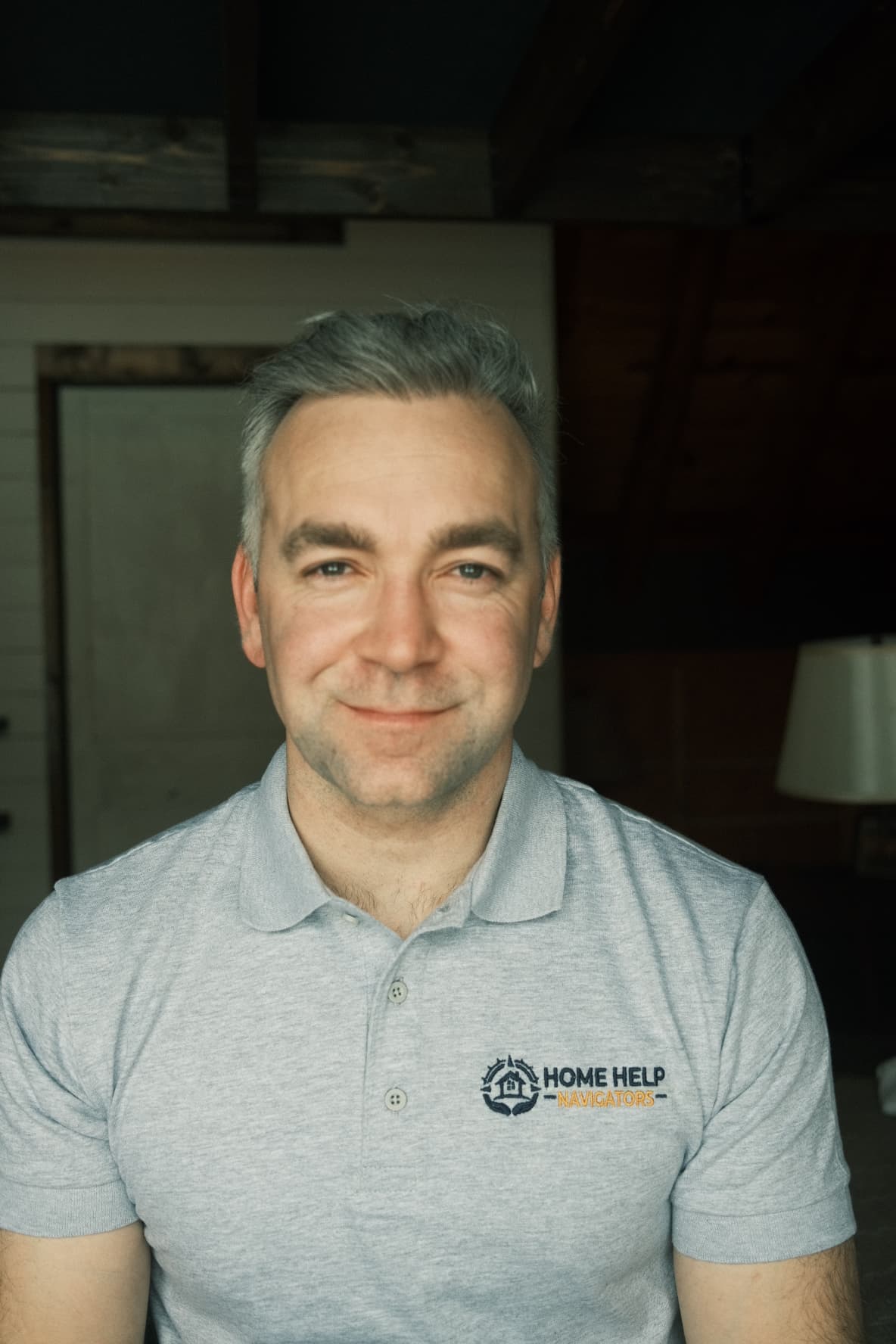
Edward Beyne
Founder of Home Help Navigators. Michigan native, combat veteran, and Michigan Home Help Program specialist.